How the Disney Wish Saves Fuel and Cuts Emissions
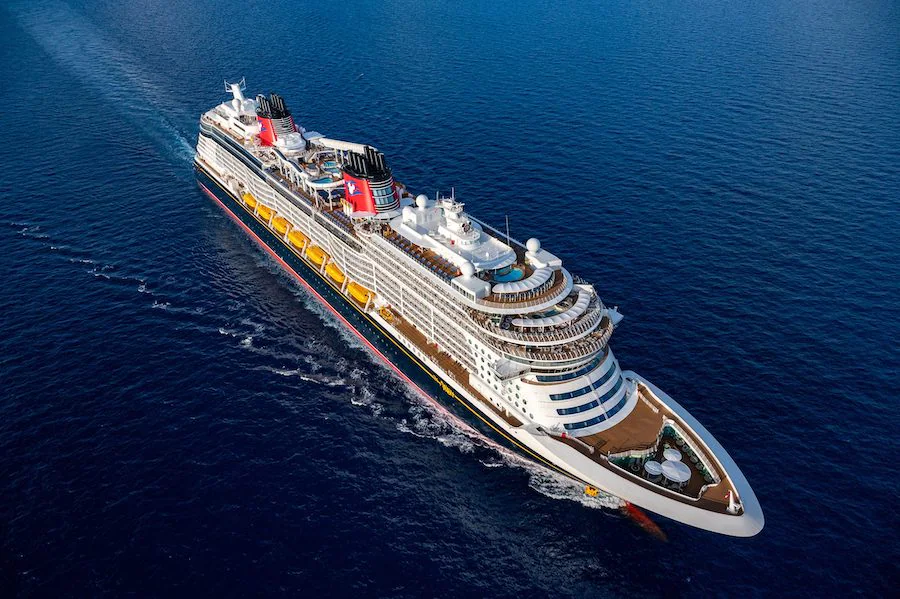
The Disney Wish is one of the most fuel-efficient cruise ships at sea, running on liquefied natural gas and featuring an array of engineering innovations that cut greenhouse gas emissions by roughly 20 percent compared to traditional vessels. From its hydrodynamic azipod propulsion system to a 90-percent LED lighting fit-out, the ship represents Disney Cruise Line's most ambitious sustainability push to date. Together, the onboard systems save thousands of tons of fuel each year while meeting and exceeding international environmental standards.

The Disney Wish runs on liquefied natural gas (LNG) and incorporates five major engineering innovations that make it nearly 30 percent more fuel efficient than conventionally powered cruise ships. Combined, these systems reduce onboard greenhouse gas emissions by approximately 20 percent compared to diesel or marine fuel-powered vessels — a milestone highlighted in the National Geographic documentary Making the Wish: Disney's Newest Cruise Ship.
Key Details
- Ship: Disney Wish
- Fuel Type: Liquefied Natural Gas (LNG)
- Fuel Efficiency Gain: ~30% over traditional ships
- GHG Reduction: ~20% fewer CO₂ emissions vs. diesel
- Annual Fuel Saved (hull + propulsion alone): ~1,800 tons
- LED Coverage: ~90% of onboard lighting
- Source: https://disneyparksblog.com/dcl/5-ways-the-disney-wish-conserves-energy-and-saves-fuel
LNG Propulsion and Hull Engineering
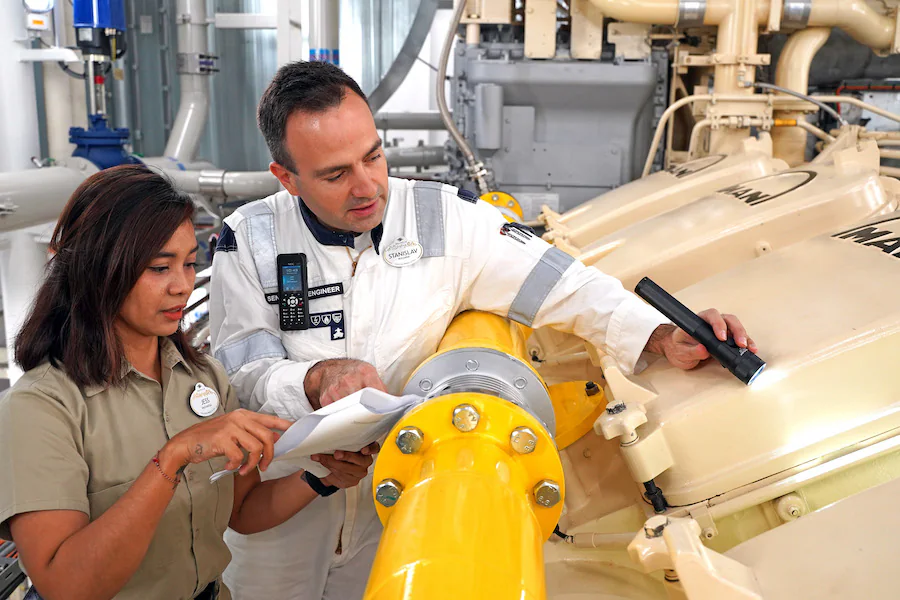
At the heart of the Disney Wish's environmental performance is its liquefied natural gas fuel system. LNG eliminates nearly all harmful sulfur oxides (SOx) and particulate matter emissions, reduces nitrogen oxide (NOx) output by approximately 37 percent, and cuts onboard CO₂ emissions by roughly 20 percent versus traditional diesel or marine fuel.
Complementing the fuel choice is an innovative hull and propulsion design. The ship's hull — paired with a specialized azipod propulsion system — was engineered to minimize drag through the water. The two systems working in tandem save nearly 1,800 tons of fuel annually by reducing the engine power required to move the ship. A dual-material protective hull coating further reduces friction and guards the ship's exterior.
Energy-Efficient Onboard Systems
Beyond propulsion, the Disney Wish achieves significant savings through optimized shipboard systems. The vessel's wastewater treatment system, for example, is designed to be fuel-efficient — saving 500 tons of fuel per year while purifying wastewater to levels that far exceed international shipping standards. Those savings equate to roughly a full year's electricity use for more than 250 average households.
The ship's HVAC system (air conditioning and heating) adjusts in real time, delivering precisely calibrated airflow to each area of the vessel rather than running at fixed output — reducing both energy waste and onboard fuel demand.
LED Lighting and Active Energy Monitoring
Approximately 90 percent of all lighting aboard the Disney Wish uses LED bulbs, reducing weekly energy consumption from lighting by roughly 30 percent. Because LEDs emit less heat than conventional bulbs, the shift also eases the load on the ship's cooling systems — a cascading efficiency benefit.
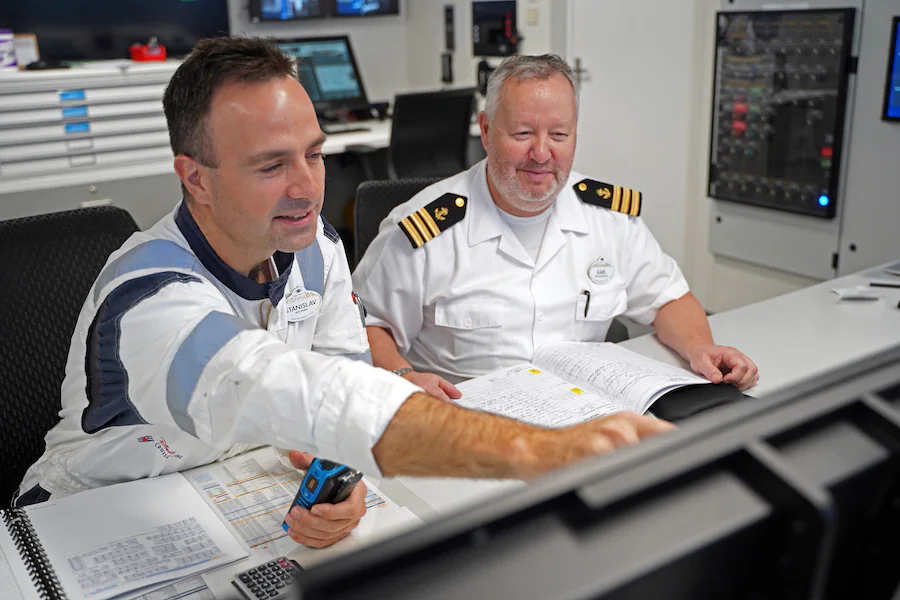
A dedicated Environmental Officer — ranked among the most senior leaders aboard — oversees compliance and performance across all systems, guided by a state-of-the-art energy monitoring and management platform that tracks the ship's real-time operational efficiency.
Why This Matters for Travelers
The Disney Wish's sustainability features add up to a measurably lower environmental footprint per sailing without any trade-off in the onboard experience. When combined with fleet-wide initiatives — including extensive recycling programs, the near-elimination of single-use plastics, and the use of costumes crafted from recycled materials — the ship offers families an award-winning vacation that aligns with broader environmental goals. Guests considering a sailing can explore itineraries at DisneyCruise.com.