5 Types of Wildlife at Disney Lookout Cay — and the Conservation Work Behind Them
Disney Lookout Cay at Lighthouse Point is home to over 100 bird species, nearly 50 giant barrel sponges, 74 fish species, abundant land crabs, and nearly 200 plant varieties — and Disney's conservation team spent years protecting each before the destination opens in June 2024. Only 16% of the island has been developed, with design decisions like an open-trestle pier and underwater limestone-boulder reefs made specifically to preserve native wildlife habitats.

Disney Lookout Cay at Lighthouse Point is home to a remarkable diversity of native wildlife, and Disney Cruise Line's conservation team has spent years working to protect those species as the island destination is built and prepared for guests. From over 100 bird species to giant barrel sponges, abundant marine life, land crabs, and nearly 200 plant species, the natural environment of Eleuthera is central to the destination's identity — and only 16% of the island's land has been developed.
Key Details
- Destination: Disney Lookout Cay at Lighthouse Point, Eleuthera, The Bahamas
- Opens: June 2024
- Birds: 100+ species including Kirtland's warbler, thick-billed vireo, piping plover
- Marine Life: 74 fish species, 60+ other species; giant barrel sponges relocated using custom carriers
- Plants: Nearly 200 species; only 16% of island land developed
- Conservation Program: Disney Conservation Fund — 80+ grants to Bahamian nonprofits over 25 years
Over 100 Bird Species — and a Dedicated Monitoring Program
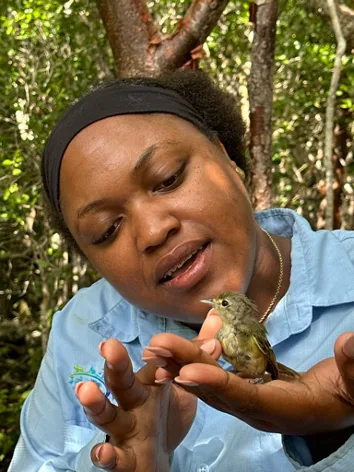
Disney Lookout Cay at Lighthouse Point is home to more than 100 bird species. Notable residents include the Kirtland's warbler, the thick-billed vireo, and gray-and-white piping plovers along the shoreline — the latter sharing a family with the birds featured in the Disney Pixar animated short "Piper." Disney's conservation team launched a bird monitoring program before construction began, mapping the locations where the island's resident birds nest and call home, then specifically designing the destination to avoid those sensitive areas. A tagging and tracking program continues to monitor bird species at the site.

Giant Barrel Sponges: "Redwoods of the Reef"
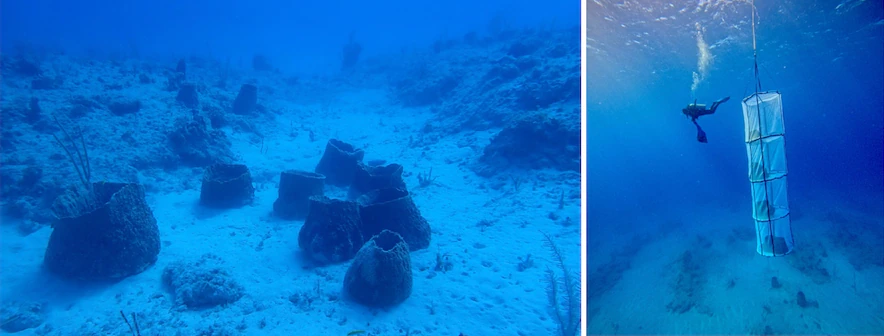
Nearly 50 giant barrel sponges were discovered offshore at Disney Lookout Cay. These large, long-lived invertebrates — sometimes called the "Redwoods of the Reef" — are the largest water-filtering sponge species and are critical to reef health. To avoid destroying the sponges during pier construction, Disney engineers designed an innovative open-trestle pier with long, slender stilts that extends into deep water without dredging the ocean floor. For the handful of sponges that fell directly within the pier's footprint, the team developed a relocation method using a custom mesh carrier designed in partnership with EPCOT's costuming team. Initial results show the relocated sponges have taken root and are expected to thrive.
74 Fish Species and an Underwater "Fish Highway"
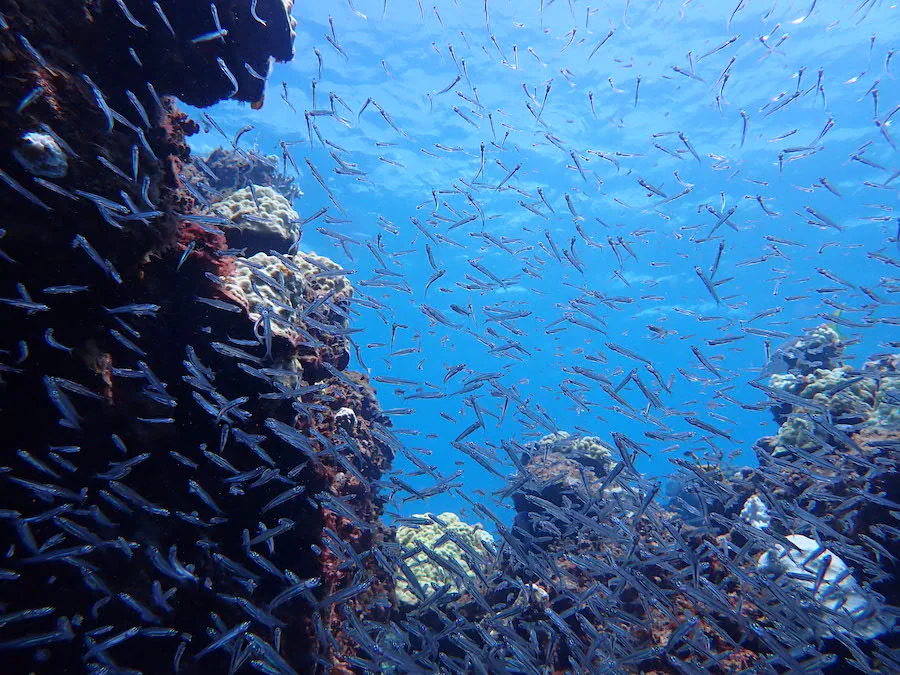
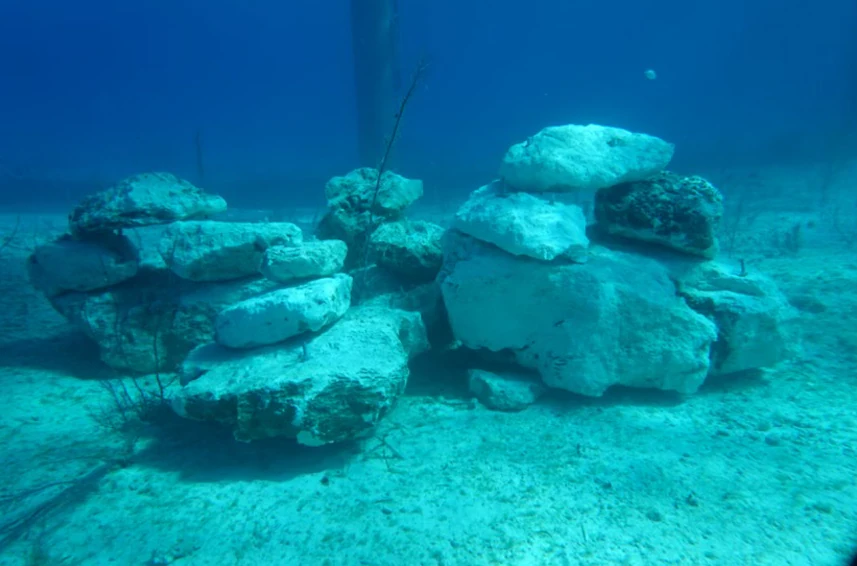
The waters surrounding Disney Lookout Cay support 74 species of fish and more than 60 other marine species identified so far. Guests snorkeling or swimming near the island may encounter silversides, Nassau grouper, parrot fish, and blue tangs. To support the continued movement of marine life around the pier structure, Disney's team repurposed 30 limestone boulders already on the site to construct artificial reefs beneath the pier — creating an underwater "fish highway" that provides natural shelter as fish and other species navigate the support legs.
Land Crabs: Island Residents Under Study
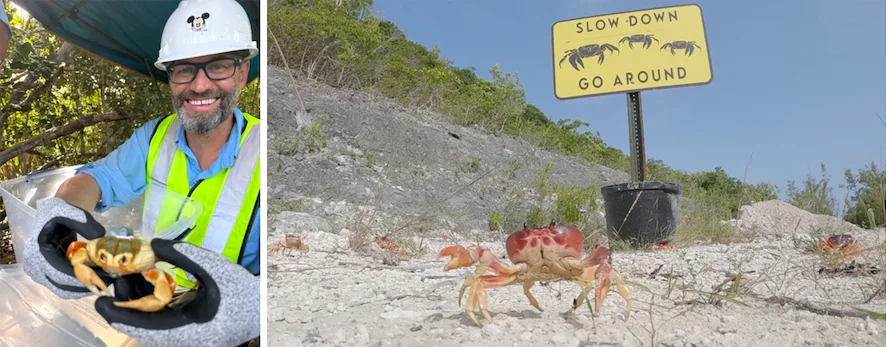
Land crabs are an important part of Bahamian culture and ecology, and visitors to Disney Lookout Cay will encounter them throughout the island. Ghost crabs, black crabs, and black-backed crabs can be spotted crossing sand and walkways. Disney's conservation team has initiated a tagging and behavioral tracking program for the island's land crab population — described as one of the first studies of its kind in The Bahamas — to better understand and protect these animals as the destination welcomes guests.
Nearly 200 Plant Species — and Just 16% Developed Land
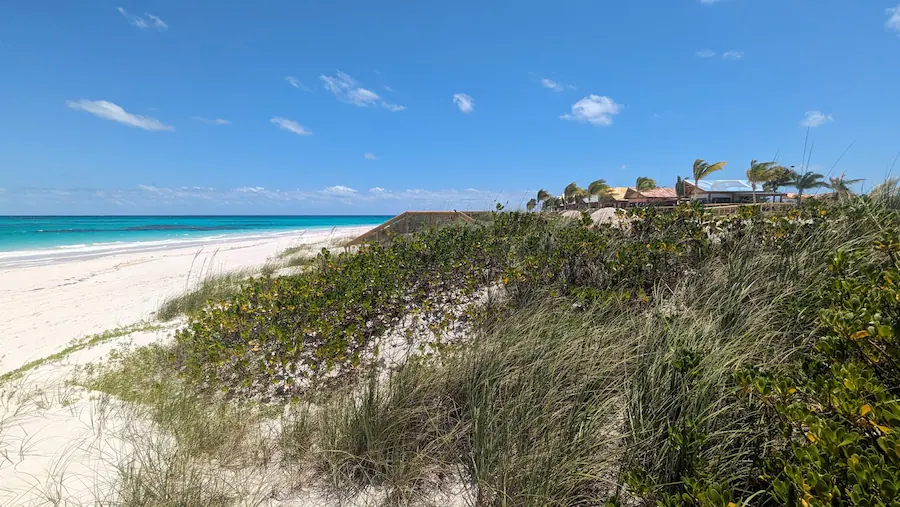
Disney Lookout Cay is home to nearly 200 plant species, spanning dense evergreen forests, open-water ponds, mangroves, and shrub-filled sand dunes that act as critical animal habitat and help maintain the island's natural shoreline. Disney's approach to development has kept 84% of the island's land untouched, with developed areas limited primarily to low-density uses such as beach chairs, umbrellas, and small support structures. In developed zones, Disney Imagineers used elevated walkways and structures to minimize environmental impact. The project also includes a partnership with a local Bahamian plant nursery to conserve native plant varieties.
Why This Matters for Disney Cruise Guests
The conservation work behind Disney Lookout Cay at Lighthouse Point is unusually extensive for a cruise destination, and it directly shapes the guest experience — from the untouched natural trails to the marine life visible just offshore. The Disney Conservation Fund has provided more than 80 grants to Bahamian nonprofit organizations over 25 years, and the Disney Planet Possible initiative frames this destination as part of a broader global commitment to protecting nature. Guests who visit the island's Nature Trail and Port Adventures will encounter the results of this work firsthand. Sailings to Disney Lookout Cay can be booked at DisneyCruise.com.